Organic Waste Management
The Shri Amarnath Ji Yatra takes place in an ecologically sensitive high-altitude region, demanding meticulous waste management focused on a strict “zero-landfill” mandate. To protect this sacred environment, we have implemented the following comprehensive organic waste management procedures for the Shri Amarnath Ji Yatra 2026:
Core Principles for Organic Waste Management
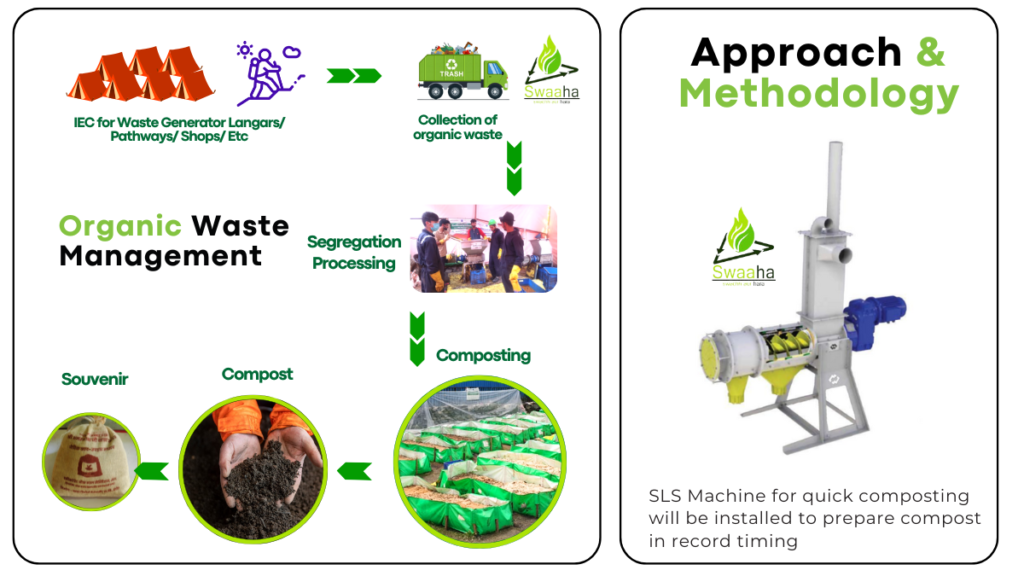
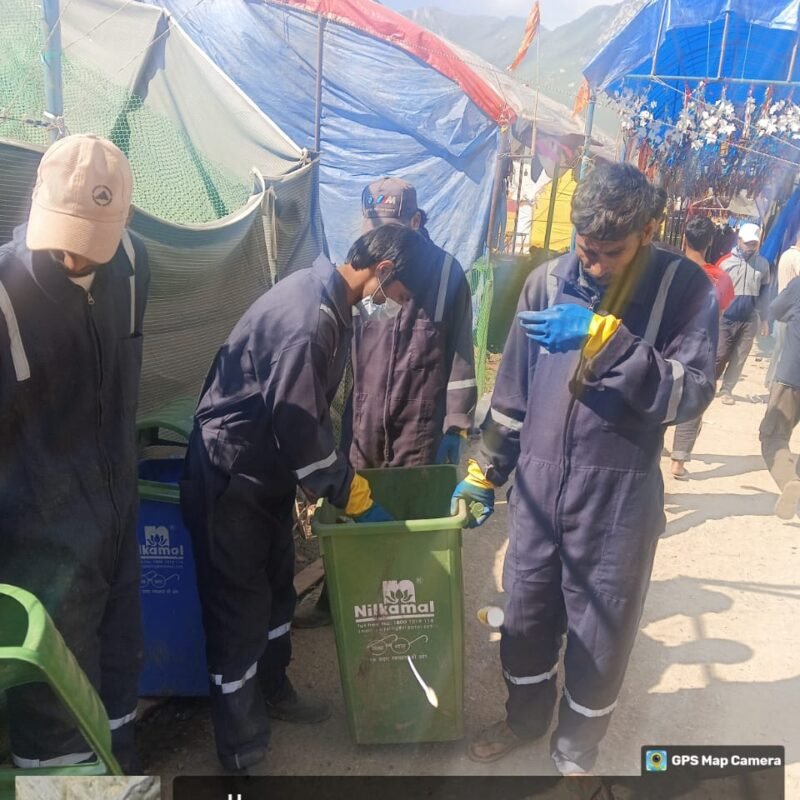
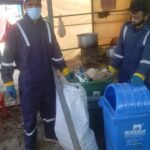
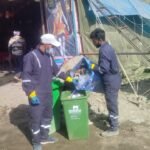
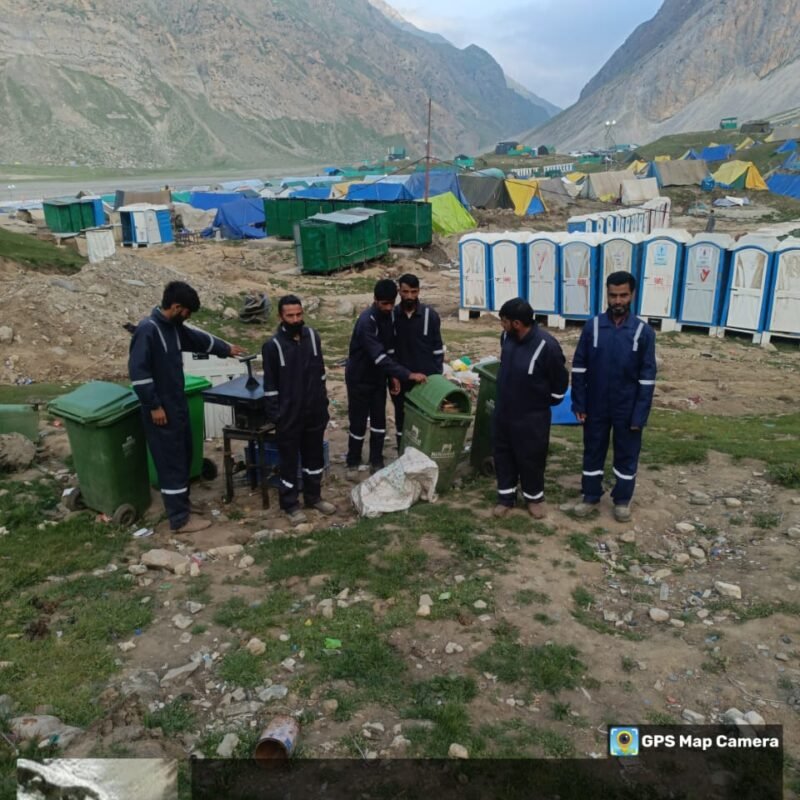
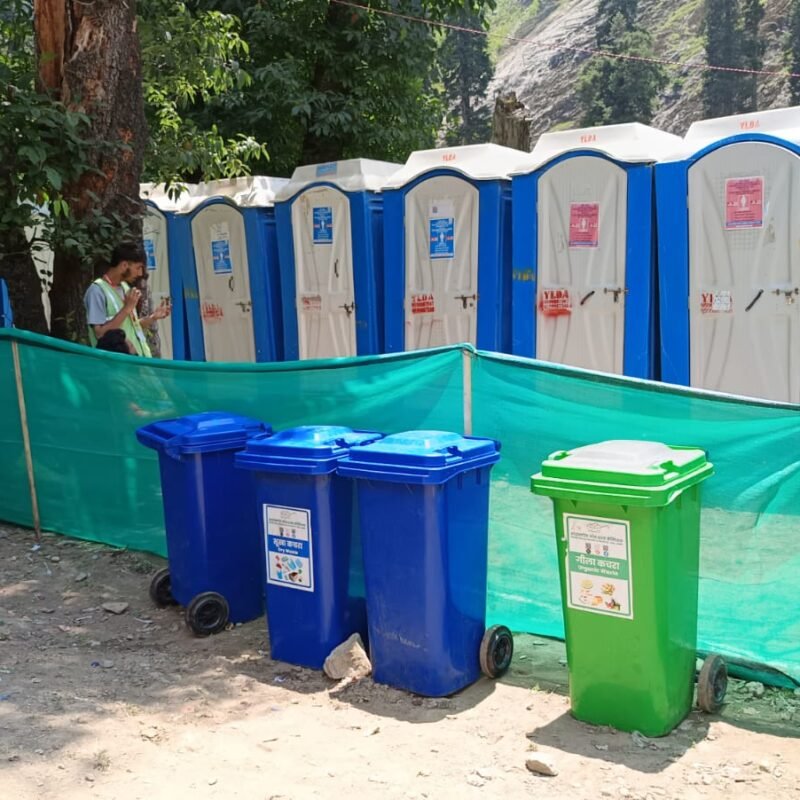
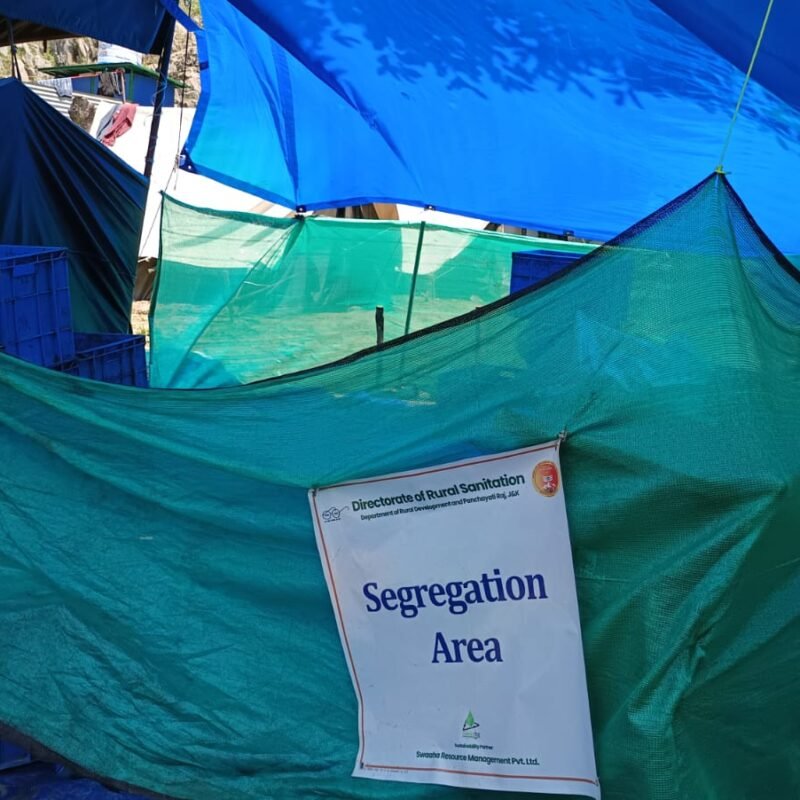
- Mandatory Source Segregation: Segregation at the source is our foundational step. Pilgrims, langar operators, shopkeepers, and all service providers strictly segregate waste into biodegradable (wet) and non-biodegradable (dry) categories. We have installed highly visible, color-coded twin bins across all camps, resting points, and the entire Yatra route to ensure complete compliance.
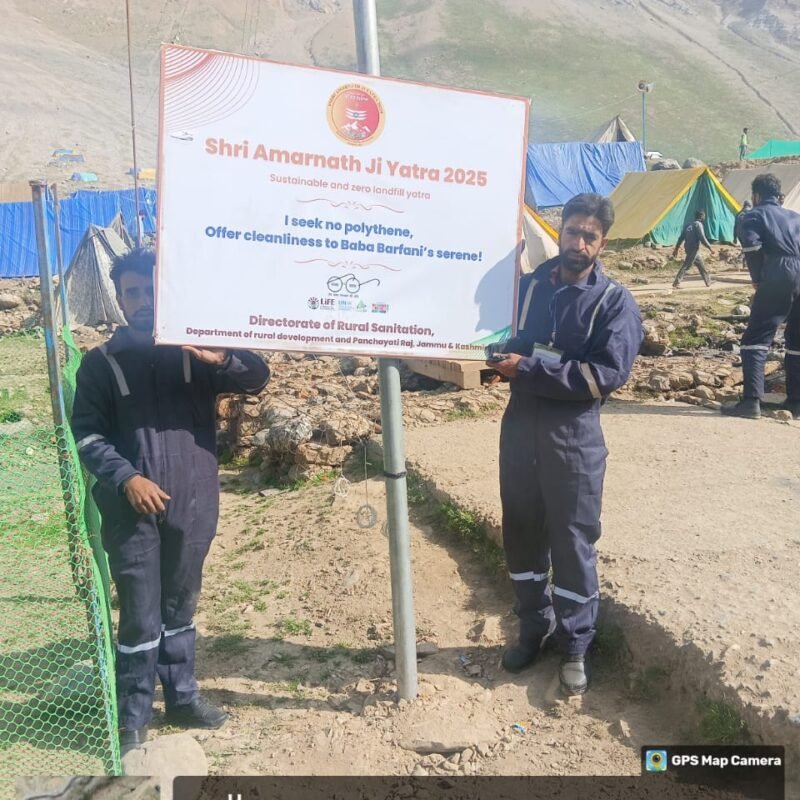
- Strict Zero Landfill Execution: We do not simply minimize waste sent to landfills; we process all collected organic waste entirely, ensuring a true zero-landfill ecological footprint.
Specific Procedures and Initiatives
Composting of Wet Waste:
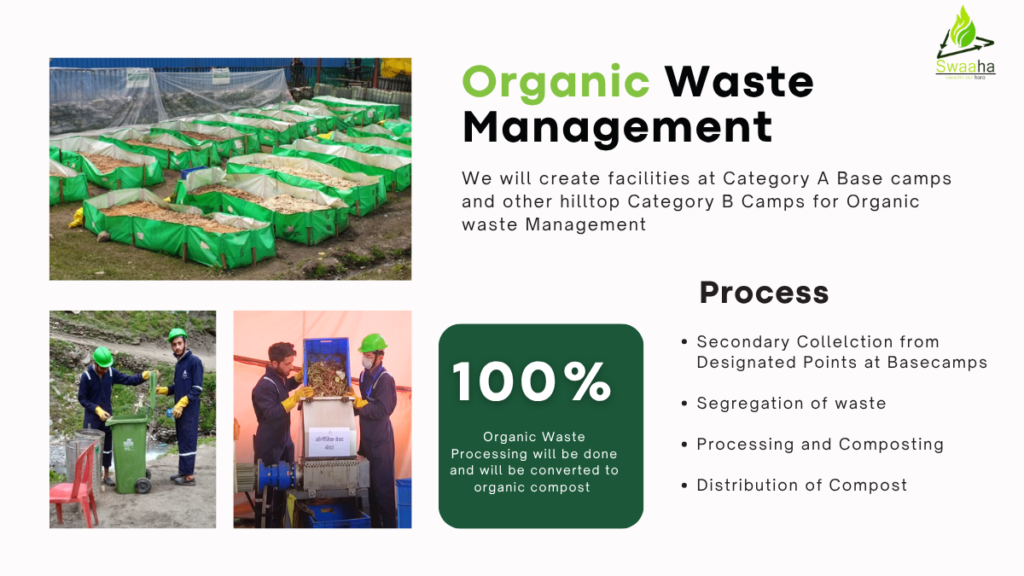
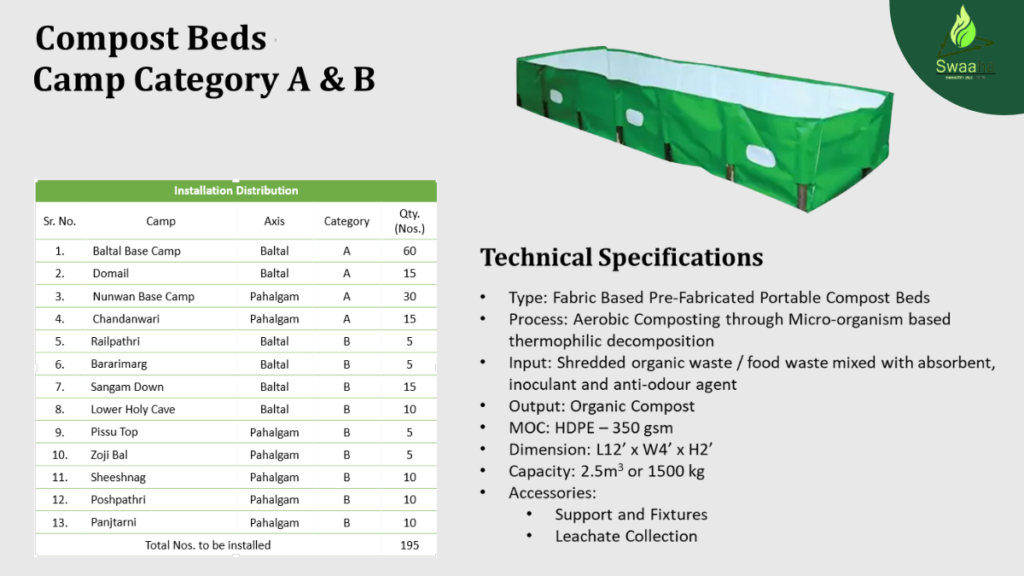
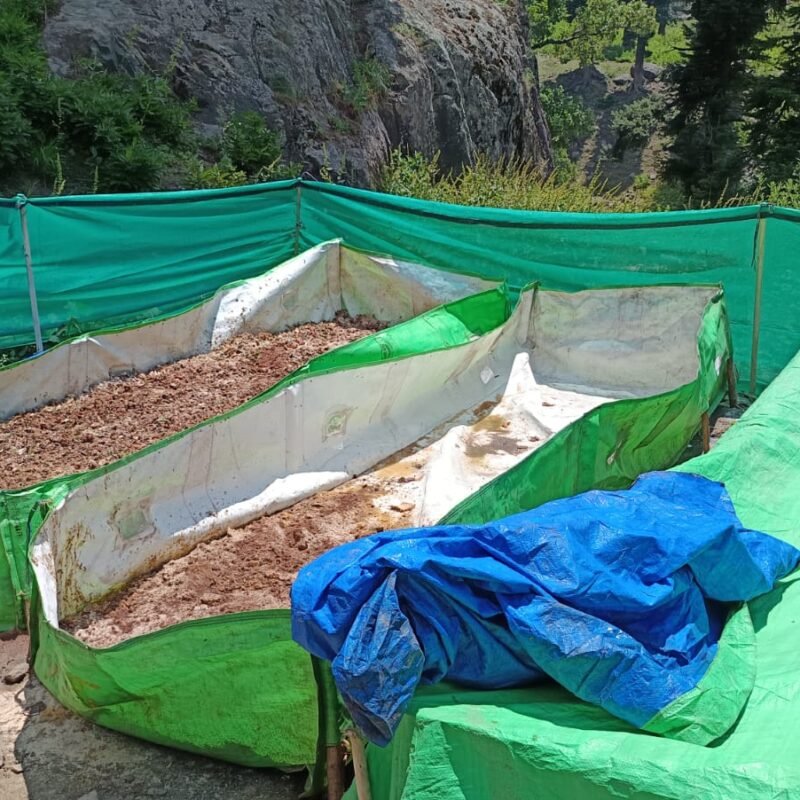
- Dedicated Processing Facilities: We operate advanced waste processing facilities, equipped with deep compost pits and automatic waste-composting machines, strategically established at key locations along both the Baltal and Pahalgam axes (including Nunwan, Chandanwari, and Baltal).
- On-site Processing: All biodegradable waste generated at langars, dhabas, and camps undergoes immediate on-site treatment using highly efficient scientific composting methods.
- Agricultural Utilization: The high-quality compost generated is distributed as organic fertilizer, directly contributing to local agriculture and ongoing ecological restoration efforts.
Collection and Transportation:
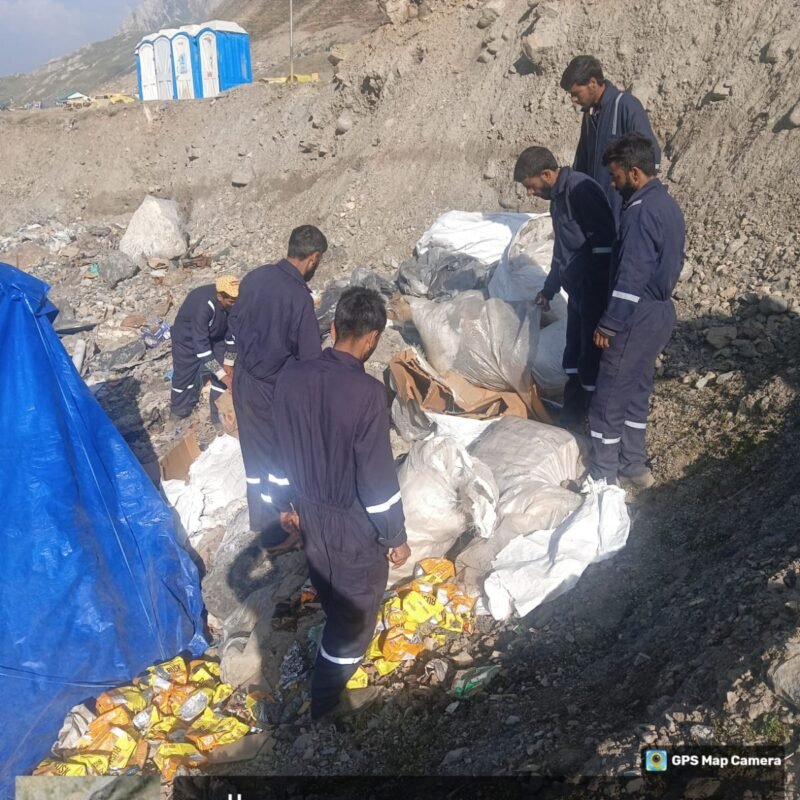
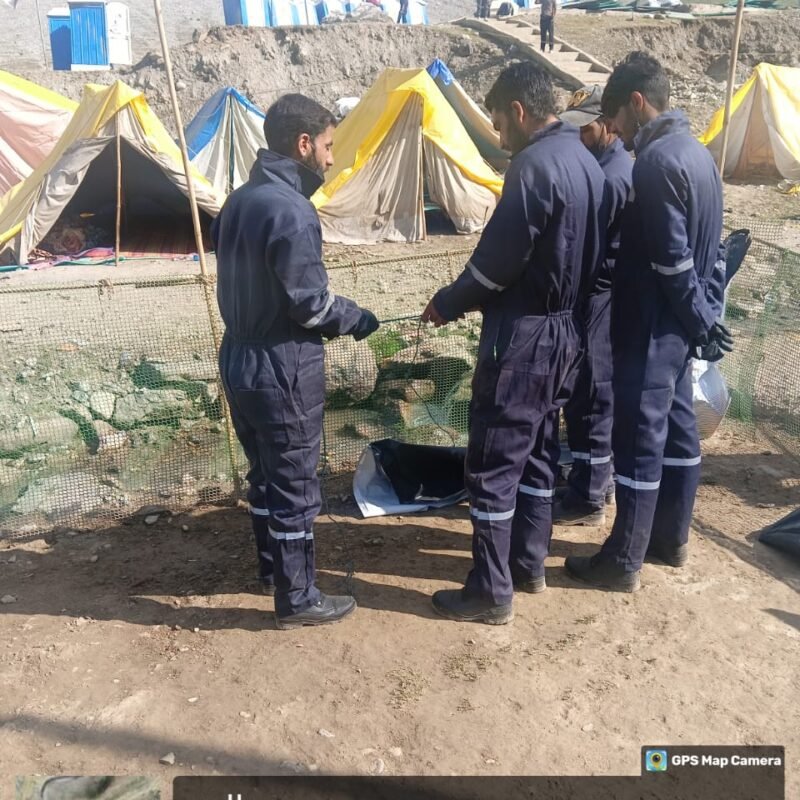
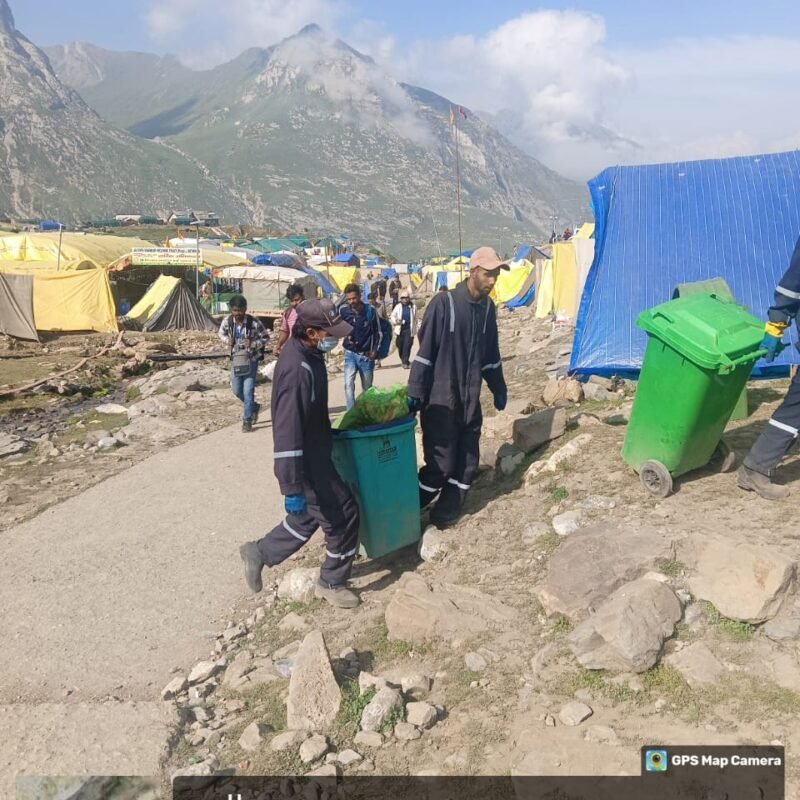
- Dedicated Sanitation Workforce: We deploy a massive, highly trained workforce operating in continuous multiple shifts. They actively collect segregated waste from all bins and facilities around the clock.
- Specialized Transport Vehicles: We utilize dedicated twin-compartment vehicles for the swift, efficient, and unmixed transportation of segregated waste directly from collection points to our processing facilities.
Langar and Food Waste Management:
- Strict Menu Regulations: The Shri Amarnathji Shrine Board (SASB) enforces a rigid list of permitted and banned food items for all langars. This guarantees healthy eating for pilgrims while drastically reducing the generation of heavy, hard-to-process organic waste.
- 100% Biodegradable Utensils: We mandate the exclusive use of biodegradable plates, bowls, and glasses (crafted from banana or other plant leaves) across all langars, completely eliminating non-biodegradable waste from food service.
Human Waste Management:
- Eco-Friendly Bio-Toilets: We have installed thousands of eco-friendly portable toilets, bio-toilets, urinals, and bathing units across the entire route and at all camps.
- Daily De-sludging and Treatment: Our de-sludging vehicles operate daily to safely extract and manage septage. Fully operational Sewage Treatment Plants (STPs) at our Baltal and Nunwan base camps scientifically treat all wastewater and sewage, returning clean water to the ecosystem.
Awareness and Education:
- Active IEC Campaigns: Thousands of dedicated volunteers and Swachhagrahis (cleanliness ambassadors) actively engage with pilgrims on the ground, educating them on precise waste disposal, mandatory segregation, and our zero-landfill mission.
- Comprehensive Signage: Highly visible, multi-lingual informative signages guide pilgrims at every camp and junction along the route.
- Digital Monitoring Tools: We deploy active QR code-based feedback systems at all sanitation points and leverage apps like YatraMitra to gather real-time cleanliness feedback and broadcast eco-friendly guidelines directly to pilgrims' phones.
- Sustainable Pilgrim Kits: To actively break reliance on single-use plastics, we distribute sustainable kits containing reusable containers and cloth bags directly to arriving Yatris.
Coordination and Monitoring:
- Seamless Multi-Agency Collaboration: The Rural Development Department, Housing and Urban Development Department, Urban Local Bodies (ULBs), the Shrine Board, and local community leaders execute this mission in unified, daily coordination.
- Real-Time Command Centers: Our 24/7 control rooms utilize digital feedback systems to monitor sanitation status in real-time, instantly deploying rapid-response teams to address any issues.
- Rigorous On-Ground Reviews: Senior officials conduct continuous, rigorous ground tours to personally verify the absolute efficiency of our sanitation and waste management infrastructure.
A Commitment to Continuous Excellence
Overcoming the sheer volume of pilgrims and the punishing Himalayan terrain requires relentless execution. We rigorously enforce our zero-tolerance policy against unscientific dumping by any contractor or individual. Our primary focus for 2026 is uncompromising enforcement and the continuous strengthening of our infrastructure to deliver a truly pristine and inspiring 'Swachh Amarnath Yatra' (Clean Amarnath Yatra).